Hydraulic Scissor Lift Overview: Functions & Applications
Hydraulic scissor lifts are widely used in construction, warehousing, manufacturing, maintenance, logistics, and facility management environments.
These lifting platforms use hydraulic power and a scissor-shaped support mechanism to raise personnel, tools, or materials to elevated work areas safely and efficiently.
Modern hydraulic lifting platforms are designed to support a variety of industrial applications, ranging from equipment maintenance and inventory management to production operations and building services. Understanding how hydraulic scissor lifts operate, their major components, applications, and maintenance requirements can help organizations select suitable lifting equipment for different operational needs.
Hydraulic Scissor Lifts at a Glance
A hydraulic scissor lift is a vertical lifting platform that uses hydraulic cylinders and a crossed support structure to elevate loads. These systems are commonly used for material handling, elevated work access, equipment maintenance, warehouse operations, and industrial automation support. Hydraulic scissor lifts are valued for their stability, lifting capacity, controlled movement, and adaptability across many industries.
How Hydraulic Scissor Lifts Work
The lifting mechanism relies on hydraulic pressure generated by a hydraulic power unit. When hydraulic fluid is directed into the cylinder, the scissor arms expand, raising the platform vertically.
The basic operating process includes:
- The hydraulic pump generates pressure.
- Hydraulic fluid enters the lift cylinder.
- The scissor mechanism extends upward.
- The platform rises to the desired height.
- Control systems maintain positioning.
- Hydraulic pressure is released for lowering.
This simple but effective design enables reliable vertical lifting in a compact footprint.
Main Types of Hydraulic Scissor Lifts
Different hydraulic scissor lift configurations are available to support various applications.
Stationary Scissor Lifts
Stationary lifts remain fixed in one location and are often integrated into production lines, loading areas, and material handling systems.
Common applications include:
- Manufacturing facilities
- Assembly stations
- Loading docks
- Warehouse operations
- Industrial processing systems
Mobile Scissor Lifts
Mobile units can be repositioned as needed, making them useful for maintenance, construction, and facility management activities.
These lifts provide flexibility for projects requiring access to multiple work areas.
Electric Hydraulic Scissor Lifts
Electric-powered hydraulic lifts are commonly used indoors where reduced emissions and quieter operation are important considerations.
They are frequently found in warehouses, retail facilities, and distribution centers.
Rough Terrain Scissor Lifts
Rough terrain models are designed for outdoor environments and uneven surfaces.
Features may include:
- Heavy-duty tires
- Enhanced ground clearance
- Stabilization systems
- Increased load capacity
Low-Profile Scissor Lifts
Low-profile systems are designed for applications where equipment must fit within limited installation space while still providing lifting capability.
Core Components of a Hydraulic Scissor Lift
Several components work together to ensure efficient operation.
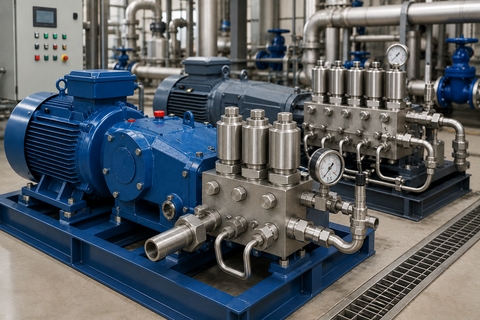
Hydraulic Power Unit
The hydraulic power unit supplies pressurized fluid required for lifting operations.
It typically includes:
- Hydraulic pump
- Reservoir
- Motor
- Valves
- Control components
Hydraulic Cylinders
Hydraulic cylinders convert fluid pressure into mechanical movement, extending the scissor mechanism and raising the platform.
Scissor Arm Structure
The crossed steel arms provide structural support and controlled vertical movement throughout the lifting cycle.
Platform
The platform supports personnel, tools, equipment, or materials during lifting operations.
Control System
Control systems manage lifting, lowering, emergency functions, and safety monitoring.
Safety Components
Modern hydraulic lifting equipment may include:
- Emergency stop systems
- Overload protection
- Safety locks
- Guardrails
- Descent controls
- Limit switches
Industrial Applications
Hydraulic scissor lifts support a wide range of industries and operational environments.
Warehouse Operations
Warehouses use hydraulic lift platforms for inventory handling, stock management, shelving access, and material positioning.
Manufacturing Facilities
Manufacturers often integrate lift tables and scissor lifts into assembly processes, production lines, and workstation ergonomics.
Construction Projects
Construction teams use scissor lifts to access elevated work areas for installation, maintenance, inspection, and finishing activities.
Facility Maintenance
Maintenance personnel rely on lifting platforms for lighting repairs, HVAC servicing, inspections, and building maintenance.
Logistics and Distribution
Distribution centers use lifting systems to improve material flow and loading efficiency.
Automotive Facilities
Automotive operations may utilize hydraulic lift equipment for assembly support, component handling, and maintenance procedures.
Key Selection Factors
Choosing the right hydraulic scissor lift requires evaluating several operational requirements.
Platform Height
Determine the maximum working height needed for the intended tasks.
Load Capacity
The lift should safely accommodate personnel, tools, equipment, and materials.
Platform Dimensions
Platform size influences workspace availability and load positioning.
Operating Environment
Indoor and outdoor environments may require different lift configurations.
Mobility Requirements
Some applications benefit from fixed installations, while others require portable lifting equipment.
Safety Features
Review safety systems, emergency controls, and overload protection capabilities.
Power Source
Electric, battery-powered, and other hydraulic configurations may suit different environments.
Benefits of Hydraulic Scissor Lifts
Hydraulic lifting platforms offer several operational advantages.
- Provide stable vertical lifting
- Support elevated work access
- Improve material handling efficiency
- Integrate with manufacturing systems
- Support warehouse operations
- Accommodate various load capacities
- Enhance workplace ergonomics
- Support maintenance activities
- Offer controlled lifting and lowering
- Operate in diverse industrial environments
- Provide reliable lifting performance
- Support productivity across multiple applications
Maintenance Best Practices
Routine maintenance helps ensure reliable operation and equipment longevity.
Inspect Hydraulic Components
Regularly inspect hoses, cylinders, fittings, and hydraulic connections for signs of wear or leakage.
Monitor Fluid Condition
Hydraulic fluid should be maintained according to equipment specifications.
Check Structural Components
Inspect scissor arms, welds, pins, and support structures for wear or damage.
Test Safety Systems
Emergency controls, overload protection devices, and safety mechanisms should be tested regularly.
Inspect Electrical Components
Where applicable, examine electrical wiring, switches, and control panels.
Maintain Service Records
Detailed maintenance records support preventive maintenance planning and equipment monitoring.
Safety Considerations
Safe operation remains a critical aspect of hydraulic lift usage.
Important safety practices include:
- Following manufacturer guidelines
- Performing pre-operation inspections
- Observing load limits
- Using proper fall protection where required
- Keeping platforms clear of obstructions
- Maintaining stable operating surfaces
- Training authorized operators
- Monitoring environmental conditions
- Using safety barriers when appropriate
- Following maintenance procedures
These practices contribute to safer and more efficient lift operation.
Emerging Developments in Lift Technology
Hydraulic lifting technology continues to evolve through automation, monitoring systems, and advanced controls.
Modern developments include:
- Smart monitoring systems
- Predictive maintenance technology
- Digital diagnostics
- Enhanced safety controls
- Automated lifting functions
- Remote equipment monitoring
- Energy-efficient hydraulic systems
- Connected industrial equipment
These innovations help improve operational visibility and equipment management.
Key Takeaways
- Hydraulic scissor lifts provide stable vertical lifting through hydraulic power.
- Multiple lift configurations support different industrial applications.
- Warehousing, manufacturing, construction, and maintenance are major usage areas.
- Proper lift selection depends on height, capacity, mobility, and environment.
- Preventive maintenance supports long-term reliability.
- Safety systems play an important role in lift operation.
- Modern lift technology increasingly incorporates automation and monitoring features.
Frequently Asked Questions
What is a hydraulic scissor lift?
A hydraulic scissor lift is a lifting platform that uses hydraulic cylinders and a scissor-shaped support structure to raise personnel, tools, or materials vertically.
Where are hydraulic scissor lifts commonly used?
They are widely used in warehouses, manufacturing facilities, construction sites, logistics centers, and maintenance operations.
How does a hydraulic scissor lift operate?
Hydraulic pressure extends cylinders that open the scissor mechanism, raising the platform to the desired height.
What are the main types of scissor lifts?
Common types include stationary, mobile, electric hydraulic, rough terrain, and low-profile scissor lifts.
Why is hydraulic maintenance important?
Regular maintenance helps ensure reliable performance, safe operation, and longer equipment life.
What factors should be considered when selecting a lift?
Important factors include lifting height, load capacity, platform size, operating environment, mobility requirements, and safety features.
Are hydraulic scissor lifts suitable for indoor use?
Yes. Electric hydraulic scissor lifts are commonly used indoors because they operate efficiently in enclosed environments.
What safety features are typically included?
Many lifts include emergency stops, overload protection, guardrails, safety locks, and limit switches.
Conclusion
Hydraulic scissor lifts are versatile lifting solutions that support material handling, maintenance, manufacturing, warehousing, construction, and facility management activities. Their combination of hydraulic power, structural stability, and controlled vertical movement makes them suitable for a wide range of industrial applications.
By understanding lift types, system components, operational requirements, safety considerations, and maintenance practices, organizations can make informed decisions when evaluating hydraulic lifting equipment. As automation and monitoring technologies continue to advance, hydraulic scissor lifts are becoming increasingly efficient, connected, and adaptable to modern industrial environments.
Call to Action
Before selecting a hydraulic scissor lift, evaluate your working height requirements, load capacity needs, operating environment, and safety expectations to ensure the equipment aligns with your operational objectives.

Related Post...