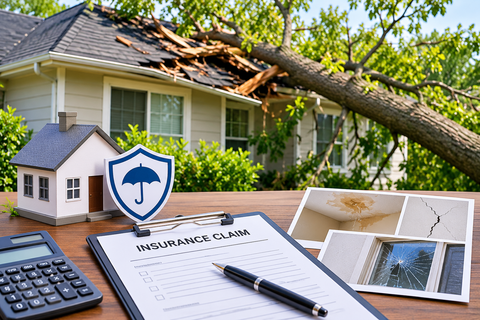
Property Damage Insurance Explained: Coverage, Types and Benefits
Property damage insurance provides financial protection against specified losses involving buildings, equipment, furniture, inventory, and other physical assets.
Understanding its coverage types, policy exclusions, claim procedures, and risk factors helps property owners and businesses manage potential financial losses resulting from unexpected damage.
Key Takeaways
Property damage insurance protects eligible physical assets against covered risks.
Coverage varies according to policy types and exclusions.
Documentation and risk assessment support effective claims management.
What Is Property Damage Insurance?
Property damage insurance is a type of insurance coverage that protects individuals, homeowners, landlords, and businesses against specified financial losses resulting from physical damage to insured property.
Depending on the policy, protection may apply to buildings, machinery, office equipment, furniture, inventory, and other physical assets.
Property damage can occur because of several events, including fire, storms, accidental incidents, vandalism, and certain water-related events. However, not every cause of damage is automatically covered.
Property damage insurance helps policyholders manage eligible repair, replacement, or reconstruction expenses, subject to policy limits, deductibles, conditions, and exclusions.
Who Needs Property Damage Insurance?
Property damage coverage can be relevant to different individuals and organizations, including:
Residential property owners
Commercial building owners
Landlords and property investors
Manufacturing companies
Retail businesses
Warehouses and distribution facilities
Office operators
Industrial facility managers
The appropriate coverage depends on the type of property, ownership arrangements, business activities, and potential exposure to physical damage.
How Does Property Damage Insurance Work?
Property damage insurance works through an agreement between the policyholder and an insurance company.
The policyholder identifies the property requiring protection, provides relevant information, and selects an available coverage arrangement. If an insured event causes physical damage, the policyholder can submit a claim with supporting documentation.
The insurer evaluates the circumstances, verifies the damage, and determines whether the loss qualifies under the policy.
Property Damage Insurance Process
Stage | Process | Purpose |
|---|---|---|
Application | Provide property information | Establish coverage requirements |
Risk assessment | Evaluate property conditions | Determine insurance terms |
Policy issuance | Establish coverage agreement | Define insured risks |
Insured incident | Property experiences damage | Potentially trigger coverage |
Claim notification | Report the incident | Begin claim processing |
Damage assessment | Inspect affected property | Evaluate eligible losses |
Claim settlement | Determine payable benefits | Address covered financial losses |
For example, if a commercial warehouse experiences fire damage, the property owner may submit a claim for eligible building repairs and damaged inventory if those assets and the cause of loss are covered.
The insurer reviews the policy conditions, damage evidence, applicable deductibles, and coverage limits before deciding the claim.
What Are the Different Types of Property Damage Insurance?
Property damage insurance is available through different policy structures depending on the property and its intended use.
1. Residential Property Damage Insurance
Residential property damage insurance protects eligible physical structures and, depending on the policy, household belongings against specified risks.
Common insured property may include:
Houses and residential buildings
Structural components
Roofs and walls
Electrical installations
Plumbing systems
Furniture and household belongings
Coverage may include certain fire, storm, lightning, and accidental damage incidents, depending on the contract.
Homeowners should distinguish between building coverage and contents coverage because they protect different types of property.
2. Commercial Property Damage Insurance
Commercial property damage insurance is designed for businesses that own or occupy buildings, offices, retail spaces, and other commercial premises.
Depending on the policy, covered property may include:
Commercial buildings
Office furniture
Computers and electronic equipment
Business inventory
Fixtures and fittings
Machinery and equipment
This coverage can help businesses manage financial losses resulting from covered physical damage.
3. Industrial Property Damage Insurance
Industrial property damage insurance addresses physical asset risks associated with manufacturing facilities, factories, processing plants, and industrial operations.
Insured assets may include:
Production machinery
Industrial equipment
Electrical systems
Storage facilities
Manufacturing buildings
Processing installations
Industrial facilities may require specialized coverage because of machinery complexity, operational hazards, and the potential scale of physical losses.
4. Fire and Allied Perils Insurance
Fire insurance provides protection against covered physical damage caused by fire. Some policies also include additional specified events known as allied perils.
Depending on the policy, these may include:
Lightning
Explosion
Storms
Certain water damage
Impact damage
Other specified physical risks
The exact coverage depends on the policy wording and selected extensions.
5. Machinery and Equipment Damage Insurance
Machinery and equipment coverage addresses specified physical damage involving operational equipment.
It may be relevant to manufacturing facilities, commercial kitchens, warehouses, processing plants, and other equipment-intensive businesses.
Coverage can depend on whether the damage results from an insured external event, accidental breakdown, or another covered cause.
Ordinary wear and tear and gradual deterioration are commonly excluded.
6. Tenant and Landlord Property Damage Coverage
Tenants and landlords may have different property insurance requirements.
Landlords generally focus on the physical structure they own, while tenants may need protection for their furniture, equipment, inventory, and improvements.
Depending on the agreement, coverage may also address specified accidental damage to rented premises.
The rental contract should be reviewed to understand responsibility for property damage and insurance obligations.
What Does Property Damage Insurance Cover?
Property damage insurance can include several categories of physical asset protection.
Coverage Category | Potential Protection | Common Application |
|---|---|---|
Building damage | Covered structural damage | Houses and commercial buildings |
Contents damage | Damage to insured belongings | Homes and offices |
Equipment damage | Covered machinery damage | Factories and businesses |
Inventory damage | Physical damage to insured stock | Warehouses and retailers |
Fire damage | Physical loss caused by covered fire incidents | Residential and commercial properties |
Storm damage | Damage from specified weather events | Buildings and facilities |
Vandalism | Covered intentional physical damage | Commercial premises |
Water damage | Specified accidental water-related damage | Residential and commercial properties |
Not all policies include every category. Some require separate coverage sections or optional extensions.
What Is Usually Not Covered by Property Damage Insurance?
Understanding exclusions is essential because property damage insurance does not cover every type of physical loss.
Common exclusions or limitations may include:
Normal wear and tear
Gradual deterioration
Poor maintenance
Certain mechanical or electrical breakdowns
Intentional damage caused by the policyholder
Certain acts of war
Nuclear-related risks
Flood damage where excluded
Earthquake damage where excluded
Unoccupied property beyond permitted periods
Damage resulting from known pre-existing conditions
For example, a roof that gradually deteriorates because of inadequate maintenance may not qualify for coverage. However, sudden storm damage may be covered if the policy includes the relevant weather-related protection.
Policyholders should review exclusions, special conditions, and optional extensions before relying on a particular coverage.
What Are the Benefits of Property Damage Insurance?
Financial Protection for Physical Assets
Property damage insurance can help cover eligible repair or replacement expenses following specified insured events.
Business Continuity Support
Protecting business premises, machinery, and inventory can help organizations manage the financial consequences of covered physical damage.
However, property damage insurance does not automatically cover lost revenue or operational interruption. Business interruption coverage may be needed separately.
Protection for Buildings and Equipment
Depending on the policy, both structural assets and specified contents can receive financial protection.
Better Risk Management
Insurance planning encourages property owners to identify potential hazards and maintain appropriate safety measures.
Support for Property Owners and Landlords
Property coverage can help landlords manage eligible physical losses involving buildings and other insured assets.
Property Damage Insurance vs. General Liability Insurance
Property damage insurance and general liability insurance address different financial risks.
Comparison Factor | Property Damage Insurance | General Liability Insurance |
|---|---|---|
Main purpose | Protect insured physical assets | Address specified legal liabilities |
Protected interest | Buildings, equipment and contents | Third-party interests |
Typical incident | Fire damage to a warehouse | Accidental damage to another person's property |
Claim basis | Covered physical property loss | Covered legal liability |
Common application | Property ownership and business assets | Business operations and third-party exposure |
For example, if a business's own building experiences covered fire damage, property insurance may respond. If the business accidentally damages a customer's property and becomes legally liable, general liability coverage may apply.
Some businesses need both types of protection.
What Factors Affect Property Damage Insurance Premiums?
Premiums depend on the property characteristics, insured risks, coverage limits, and insurer's underwriting assessment.
Factor | Why It Matters |
|---|---|
Property location | Geographic hazards influence risk |
Building construction | Materials and structural conditions affect exposure |
Property age | Older structures may have different risk characteristics |
Occupancy type | Residential, commercial and industrial uses involve different risks |
Asset value | Higher insured values can affect premiums |
Security arrangements | Safety and protective systems influence risk assessment |
Coverage limits | Higher limits may increase premiums |
Deductibles | The policyholder's share of a claim affects policy terms |
Claims history | Previous losses may influence underwriting |
Premium calculations vary by insurer and jurisdiction. No universal premium applies to every property.
How to Choose the Right Property Damage Insurance
Selecting suitable property damage insurance requires understanding the assets being protected and the risks they face.
Identify the Property and Its Use
Determine whether the property is residential, commercial, industrial, rented, or owner-occupied.
The property's use can influence available coverage and underwriting requirements.
Assess Property and Asset Values
Prepare an inventory of buildings, machinery, equipment, furniture, and other relevant assets.
Understand the difference between rebuilding value, market value, and replacement value because these figures are not necessarily interchangeable.
Evaluate Location-Based Risks
Consider exposure to fire, storms, flooding, earthquakes, water damage, and other location-specific hazards.
Check whether additional coverage is needed for excluded or restricted risks.
Understand Coverage Limits
Review the maximum amount payable for buildings, contents, equipment, and other insured property.
Check whether individual asset categories have separate sublimits.
Examine Deductibles
A deductible is the amount the policyholder must bear before eligible insurance payments apply.
Understand how deductibles differ across coverage sections and insured events.
Review Policy Exclusions
Pay particular attention to flood, earthquake, gradual deterioration, maintenance-related damage, and equipment breakdown exclusions.
Check Replacement and Settlement Conditions
Understand whether claims are settled according to replacement value, actual cash value, repair costs, or another specified valuation method.
Compare Policy Documentation
Review policy wording, coverage periods, reporting requirements, conditions, and optional extensions before making a decision.
How to File a Property Damage Insurance Claim
A property damage claim generally involves reporting the incident, documenting the damage, and providing supporting information.
Report the Incident
Notify the insurance company within the reporting period specified in the policy.
Provide basic information about the incident, location, and affected property.
Document the Damage
Collect photographs, videos, repair records, inventory details, and other relevant evidence.
Avoid discarding damaged property before following the insurer's instructions, unless necessary for safety or emergency reasons.
Prevent Further Damage
Take reasonable steps to protect the property from additional loss, while maintaining evidence of the original damage.
For example, temporary protection may be necessary after storm damage to prevent further water entry.
Submit Supporting Documents
Common claim documents include:
Insurance policy details
Property ownership or occupancy records
Incident reports
Photographs and videos
Repair estimates
Purchase invoices
Asset inventories
Relevant police or emergency reports
Property Inspection and Assessment
The insurer may arrange an inspection or appoint a loss adjuster to evaluate the damage and determine the extent of the eligible loss.
Claim Settlement
After reviewing the evidence and policy conditions, the insurer determines the claim outcome and applicable payment.
Best Practices for Managing Property Damage Risks
Insurance should be supported by appropriate property maintenance and risk prevention practices.
Recommended measures include:
Inspect buildings and structural components regularly.
Maintain electrical and fire protection systems.
Check roofs, drainage, and plumbing installations.
Maintain machinery according to manufacturer instructions.
Install suitable security and monitoring systems.
Keep accurate property and equipment inventories.
Store important insurance documents securely.
Review coverage after major renovations or asset additions.
Maintain emergency response procedures.
Report significant changes in property use to the insurer when required.
These practices can help reduce physical damage risks but do not guarantee that every loss will be prevented or insured.
Future Trends in Property Damage Insurance
Property insurance is evolving as technology, environmental conditions, and risk assessment methods change.
Digital Property Risk Assessment
Insurers increasingly use digital records, property information, and technology-assisted assessments to evaluate insured risks.
Smart Building Monitoring
Connected sensors can monitor water leaks, temperature changes, smoke, and other conditions that may indicate potential property damage.
Climate-Related Risk Assessment
Changing weather patterns are increasing attention to flood, storm, wildfire, and other environmental exposures.
Data-Driven Claims Processing
Digital photographs, remote inspections, and electronic documentation can support property damage claim assessments.
Advanced Asset Protection Systems
Modern fire detection, access monitoring, building automation, and equipment monitoring technologies can support property risk management.
These developments may improve risk assessment and claims administration, although coverage remains subject to policy conditions.
Frequently Asked Questions About Property Damage Insurance
What is property damage insurance used for?
Property damage insurance helps protect eligible physical assets against specified risks such as fire, storms, vandalism, and certain accidental damage events.
What types of property can be insured?
Depending on the policy, coverage may apply to residential buildings, commercial premises, industrial facilities, machinery, equipment, furniture, and inventory.
Does property damage insurance cover fire damage?
Many property insurance policies include fire protection, subject to policy conditions and exclusions. The insured property and applicable coverage limits should be checked.
Does property damage insurance cover water damage?
Some policies cover specified accidental water damage. Flooding, gradual leakage, and maintenance-related damage may be excluded or require additional coverage.
Is property damage insurance mandatory?
Requirements vary by country and circumstances. Mortgage lenders, commercial agreements, landlords, or local regulations may require particular forms of property insurance.
What is the difference between building insurance and contents insurance?
Building insurance generally protects the physical structure, while contents insurance protects eligible belongings and movable property inside the building.
Does property damage insurance cover machinery breakdown?
Not automatically. Machinery breakdown may require a separate equipment breakdown policy or specific coverage extension.
How is property damage insurance settled?
Depending on the contract, claims may be settled using repair costs, replacement value, actual cash value, or another specified valuation method.
Can tenants obtain property damage insurance?
Yes. Tenants may obtain coverage for their own belongings, equipment, and certain tenant improvements. Their coverage needs differ from those of landlords.
What documents are required for a property damage claim?
Common documents include policy information, incident reports, photographs, ownership records, repair estimates, invoices, and asset inventories.
Conclusion
Property damage insurance is an important component of financial risk management for homeowners, landlords, and businesses. It can provide protection against specified physical losses involving buildings, machinery, equipment, inventory, and other insured assets.
Selecting suitable coverage requires evaluating property values, location-based risks, policy exclusions, deductibles, and settlement conditions. Understanding these factors helps property owners make informed decisions and prepare for unexpected physical damage.

Related Post...

Mortgage Protection Insurance Explained: Coverage, Types and Benefits
Updated: November 21, 2026
Read More
Cyber Liability Insurance Explained: Coverage, Types and Key Benefits
Updated: November 21, 2026
Read More