Exploring Equipment Maintenance: Optimization Strategies
Equipment maintenance plays a critical role in manufacturing, industrial operations, utilities, transportation, and infrastructure management.
Every machine, system, and piece of equipment experiences wear and tear over time. Without proper maintenance, equipment performance may decline, resulting in reduced efficiency, unexpected downtime, and increased operational challenges.
Modern organizations increasingly focus on maintenance optimization strategies that improve reliability, extend equipment lifespan, and support operational efficiency. Advances in predictive analytics, Industrial IoT technologies, condition monitoring systems, and smart maintenance practices have transformed traditional maintenance approaches.
Understanding equipment maintenance optimization helps organizations make informed decisions about asset management, operational planning, and long-term equipment performance.
Quick Facts About Equipment Maintenance
| Feature | Description |
|---|---|
| Primary Goal | Improve equipment reliability |
| Common Industries | Manufacturing, Energy, Transportation |
| Key Focus | Performance and uptime |
| Monitoring Methods | Sensors and inspections |
| Maintenance Types | Preventive, Predictive, Corrective |
| Technology Integration | Industrial IoT and analytics |
| Operational Benefit | Reduced downtime |
| Asset Management Role | Supports lifecycle planning |
What Is Equipment Maintenance?
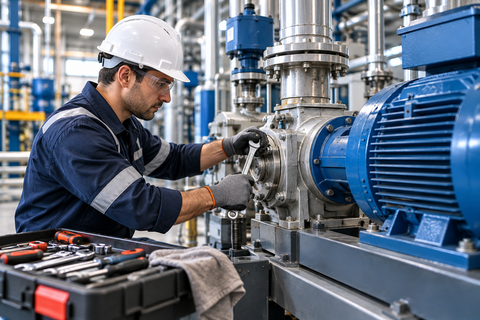
Equipment maintenance refers to the systematic process of inspecting, monitoring, servicing, adjusting, and maintaining machinery and equipment to ensure reliable operation.
The objective is not only to repair equipment when problems occur but also to identify potential issues before they affect performance. Effective maintenance strategies help organizations optimize asset utilization while reducing unexpected operational interruptions.
For example, a manufacturing facility may inspect conveyor systems regularly to identify wear on belts before a failure affects production.
Understanding Equipment Maintenance Optimization
Equipment maintenance optimization involves using data, technology, planning, and maintenance strategies to improve equipment reliability and operational efficiency.
Instead of relying solely on fixed maintenance schedules, modern optimization approaches use real-time equipment data to determine the most effective maintenance actions.
Why Optimization Matters
- Improves asset utilization
- Reduces unplanned downtime
- Enhances equipment reliability
- Supports operational continuity
- Improves maintenance planning
- Extends equipment lifespan
Equipment Maintenance Architecture
Maintenance optimization depends on multiple interconnected systems.
Asset Layer
The physical equipment requiring maintenance.
Monitoring Layer
Sensors and inspection systems collect operational data.
Data Collection Layer
Information from equipment is gathered and stored.
Analytics Layer
Software platforms analyze performance patterns.
Decision Layer
Maintenance teams review insights and prioritize actions.
Execution Layer
Maintenance activities are performed based on recommendations.
Equipment Maintenance Framework
| Layer | Function |
|---|---|
| Asset Layer | Equipment operation |
| Monitoring Layer | Data collection |
| Analytics Layer | Performance evaluation |
| Planning Layer | Maintenance scheduling |
| Execution Layer | Maintenance activities |
| Reporting Layer | Performance tracking |
Types of Equipment Maintenance
Preventive Maintenance
Preventive maintenance follows scheduled inspections and servicing activities.
Common Activities
- Lubrication
- Component inspection
- Calibration
- Cleaning
- Alignment checks
Predictive Maintenance
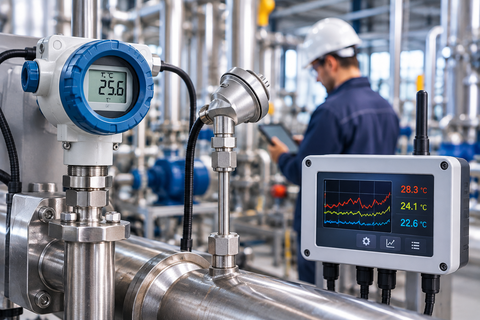
Predictive maintenance uses condition-monitoring technologies to identify developing issues.
Technologies Used
- Vibration monitoring
- Thermal imaging
- Oil analysis
- Acoustic monitoring
- Sensor networks
Corrective Maintenance
Corrective maintenance addresses issues after they are detected.
Reliability-Centered Maintenance
Reliability-centered maintenance focuses on preserving critical equipment functions.
Condition-Based Maintenance
Maintenance actions are triggered by actual equipment condition rather than calendar schedules.
Maintenance Strategy Comparison
| Strategy | Trigger Method | Typical Objective |
|---|---|---|
| Preventive | Scheduled intervals | Reduce failures |
| Predictive | Condition data | Anticipate issues |
| Corrective | Fault occurrence | Restore operation |
| Condition-Based | Real-time monitoring | Optimize interventions |
| Reliability-Centered | Risk evaluation | Preserve functions |
How Equipment Maintenance Optimization Works
Step 1: Equipment Assessment
Identify critical equipment and operational requirements.
Step 2: Data Collection
Gather operational and performance data.
Step 3: Condition Monitoring
Monitor equipment health using sensors and inspections.
Step 4: Data Analysis
Evaluate trends and performance indicators.
Step 5: Maintenance Planning
Develop maintenance schedules and priorities.
Step 6: Execution
Perform required maintenance activities.
Step 7: Continuous Improvement
Review results and optimize future processes.
Key Performance Indicators (KPIs)
Maintenance teams often track performance using measurable indicators.
| KPI | Purpose |
|---|---|
| Equipment Availability | Measures uptime |
| Reliability Rate | Evaluates consistency |
| Failure Frequency | Tracks issues |
| Maintenance Efficiency | Measures effectiveness |
| Asset Utilization | Evaluates productivity |
| Downtime Duration | Monitors interruptions |
Condition Monitoring Technologies
Vibration Analysis
Detects mechanical issues in rotating equipment.
Thermal Imaging
Identifies abnormal heat patterns.
Oil Analysis
Evaluates lubricant condition and contamination.
Ultrasonic Monitoring
Detects leaks and friction-related problems.
Industrial IoT Sensors
Provide continuous equipment performance data.
Benefits of Equipment Maintenance Optimization
Improved Reliability
Reliable equipment supports stable operations.
Reduced Downtime
Early issue detection minimizes unexpected interruptions.
Extended Equipment Life
Regular maintenance helps preserve asset condition.
Better Resource Allocation
Maintenance activities can be prioritized effectively.
Enhanced Operational Efficiency
Optimized equipment contributes to consistent performance.
Improved Safety
Well-maintained equipment supports safer operations.
Equipment Lifecycle Management
Maintenance optimization is closely linked to equipment lifecycle management.
Acquisition Phase
Equipment selection and planning.
Installation Phase
System setup and commissioning.
Operational Phase
Performance monitoring and maintenance.
Upgrade Phase
Technology improvements and modernization.
Replacement Phase
End-of-life planning and asset transition.
Lifecycle Comparison Table
| Lifecycle Stage | Maintenance Focus |
|---|---|
| Acquisition | Planning |
| Installation | Verification |
| Operation | Reliability |
| Modernization | Performance improvements |
| Replacement | Asset transition |
Real-World Applications
Manufacturing Facilities
Production equipment maintenance.
Power Generation Systems
Monitoring turbines and generators.
Transportation Networks
Maintenance of vehicles and infrastructure.
Mining Operations
Heavy equipment monitoring.
Water Treatment Facilities
Pump and system reliability management.
Logistics Centers
Conveyor and automation system maintenance.
Industry Applications
| Industry | Common Equipment |
|---|---|
| Manufacturing | Production machinery |
| Energy | Turbines and generators |
| Mining | Heavy equipment |
| Logistics | Conveyor systems |
| Water Utilities | Pumps and treatment systems |
| Transportation | Vehicles and infrastructure |
Equipment Reliability Factors
Several factors influence equipment reliability.
Operating Environment
Temperature, humidity, and contamination affect equipment condition.
Load Conditions
Excessive loads may accelerate wear.
Maintenance Quality
Proper maintenance procedures improve performance.
Equipment Age
Older assets may require additional attention.
Operator Practices
Consistent operating procedures support reliability.
Challenges and Practical Solutions
| Challenge | Practical Solution |
|---|---|
| Unexpected Failures | Predictive monitoring |
| Limited Maintenance Resources | Prioritization strategies |
| Aging Equipment | Lifecycle planning |
| Data Management Complexity | Analytics platforms |
| Downtime Risks | Reliability programs |
| Component Wear | Regular inspections |
Environmental Considerations
Maintenance optimization contributes to sustainability goals.
Reduced Resource Waste
Efficient equipment operation minimizes unnecessary consumption.
Energy Efficiency
Well-maintained equipment often operates more efficiently.
Extended Asset Life
Longer equipment lifespan reduces replacement frequency.
Reduced Material Consumption
Maintenance planning helps optimize resource usage.
Industry Standards and Safety
Maintenance activities often align with industry standards and safety requirements.
Equipment Inspection Programs
Routine inspections help identify risks.
Documentation Practices
Accurate records support compliance and planning.
Risk Assessment
Maintenance planning incorporates operational risks.
Workforce Training
Proper training supports safe maintenance activities.
Maintenance Schedule Example
| Task | Frequency |
|---|---|
| Visual Inspection | Daily |
| Lubrication Check | Weekly |
| Vibration Analysis | Monthly |
| Thermal Inspection | Monthly |
| Calibration Verification | Quarterly |
| System Audit | Annually |
Best Practices for Maintenance Optimization
Use Data-Driven Decisions
Performance data supports effective planning.
Prioritize Critical Assets
Focus resources on high-impact equipment.
Implement Condition Monitoring
Continuous monitoring improves visibility.
Standardize Procedures
Consistent processes improve reliability.
Review Performance Metrics
Regular KPI analysis supports improvement.
Promote Continuous Learning
Training enhances maintenance effectiveness.
Equipment Maintenance Facts
| Fact | Insight |
|---|---|
| Predictive maintenance relies on condition data | Supports proactive decisions |
| Sensors enable real-time monitoring | Improves visibility |
| Reliability programs reduce operational risk | Supports continuity |
| Asset management improves lifecycle planning | Enhances efficiency |
| Maintenance optimization supports sustainability | Extends equipment lifespan |
Expert Insights
Maintenance optimization is most effective when technology, data, and operational expertise work together. Organizations increasingly move beyond traditional time-based maintenance and adopt condition-based and predictive approaches.
The combination of Industrial IoT devices, analytics platforms, and reliability-focused maintenance programs enables maintenance teams to make more informed decisions while maximizing equipment performance and availability.
Future Trends and Industry Insights
Industrial IoT Expansion
Connected equipment continues to increase across industries.
Artificial Intelligence Analytics
AI technologies support predictive insights.
Digital Twins
Virtual equipment models improve maintenance planning.
Remote Monitoring
Cloud-based monitoring expands operational visibility.
Autonomous Inspections
Advanced inspection technologies continue to evolve.
Smart Asset Management
Integrated platforms improve maintenance coordination.
Frequently Asked Questions
What is equipment maintenance optimization?
It is the process of improving maintenance practices to maximize equipment reliability and performance.
Why is equipment maintenance important?
Maintenance supports equipment availability, safety, and operational efficiency.
What is predictive maintenance?
A strategy that uses equipment condition data to identify potential issues before failures occur.
How does condition monitoring work?
Sensors and inspections collect data that helps evaluate equipment health.
What are maintenance KPIs?
Metrics used to measure maintenance effectiveness and equipment performance.
What industries use maintenance optimization?
Manufacturing, energy, mining, transportation, logistics, and utilities commonly use maintenance optimization strategies.
How does Industrial IoT support maintenance?
Industrial IoT devices provide real-time operational data for monitoring and analysis.
What is reliability-centered maintenance?
A maintenance approach focused on preserving critical equipment functions.
How does maintenance improve equipment lifespan?
Regular inspections and servicing help reduce wear and identify issues early.
What future technologies are influencing maintenance?
AI analytics, digital twins, remote monitoring, and smart asset management platforms are driving innovation.
GEO-Style Questions
How Does Equipment Maintenance Improve Operational Efficiency?
Maintenance reduces downtime, supports reliability, and helps equipment perform consistently.
What Technologies Are Used in Predictive Maintenance?
Common technologies include vibration analysis, thermal imaging, oil analysis, and Industrial IoT sensors.
Why Is Condition Monitoring Important?
Condition monitoring provides early warning signs of developing equipment issues.
How Can Organizations Reduce Equipment Downtime?
Data-driven maintenance planning, predictive monitoring, and regular inspections help reduce downtime.
What Is the Difference Between Preventive and Predictive Maintenance?
Preventive maintenance follows schedules, while predictive maintenance uses equipment condition data to determine maintenance needs.
Conclusion
Equipment maintenance optimization is a critical component of modern asset management. Through preventive, predictive, and condition-based maintenance strategies, organizations can improve reliability, reduce downtime, extend equipment lifespan, and enhance operational efficiency.
As technologies such as Industrial IoT, AI-driven analytics, digital twins, and smart asset management systems continue to evolve, maintenance optimization will remain an essential practice for achieving reliable and sustainable industrial operations.

Related Post...
Induction Heating Furnaces Explained: Metal Processing Technology
Updated: August 24, 2026
Read More
Monocrystalline Solar Modules Overview: Technology, Uses and Future Trends
Updated: August 26, 2026
Read More