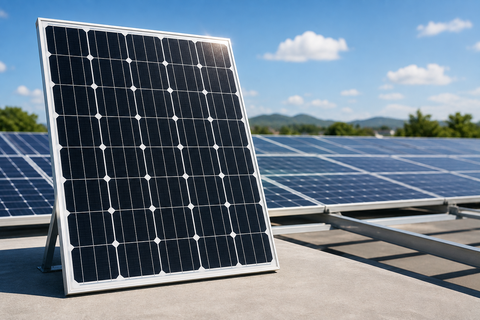
Bifacial Solar Panels Overview: Technology, Uses and Benefits
Bifacial solar panels are an advanced photovoltaic technology designed to capture sunlight from both the front and rear sides of a solar module.
Unlike conventional solar panels that generate electricity only from the front surface, bifacial modules utilize reflected and scattered light from surrounding surfaces, increasing overall energy production.
As global demand for renewable energy continues to grow, solar technologies are evolving to improve efficiency, durability, and long-term energy output. Bifacial solar panels have gained significant attention in utility-scale solar farms, commercial installations, industrial facilities, and large infrastructure projects because they can produce more electricity under suitable environmental conditions.
Understanding how bifacial solar panels work, where they are used, and their advantages and limitations helps organizations and individuals make informed decisions about solar energy systems.
Quick Overview
| Feature | Description |
|---|---|
| Technology | Generates power from both sides of the panel |
| Cell Type | Commonly uses monocrystalline cells |
| Energy Production | Higher than conventional single-sided modules |
| Installation | Elevated mounting systems are often preferred |
| Best Environments | Reflective surfaces such as snow, sand, gravel, and white rooftops |
| Applications | Utility-scale, commercial, industrial, and infrastructure projects |
| Durability | Often built with dual-glass construction |
| Key Advantage | Increased energy yield from reflected light |
Key Benefits
- Enhanced electricity generation
- Improved land-use efficiency
- Better long-term performance
- Durable construction
- Suitable for large-scale energy projects
- Potential reduction in overall energy production costs over time
Industry Overview
The solar energy industry has experienced substantial growth over the past decade. Improvements in photovoltaic cell technology, manufacturing processes, and installation methods have made solar energy more accessible and efficient.
Bifacial solar technology represents one of the industry's major advancements. Originally used primarily in research and large utility projects, bifacial panels are now increasingly adopted across commercial and industrial sectors.
The technology supports global sustainability initiatives by maximizing energy output from available sunlight while reducing the footprint required for electricity generation.
Industries adopting bifacial solar technology include:
- Renewable energy development
- Commercial real estate
- Manufacturing facilities
- Agriculture
- Transportation infrastructure
- Government projects
- Educational institutions
How Bifacial Solar Panels Work
Bifacial panels generate electricity using photovoltaic cells positioned between transparent protective layers.
Step 1: Front-Side Light Capture
Sunlight strikes the front surface of the panel and is converted into electricity through photovoltaic cells.
Step 2: Reflection from Surrounding Surfaces
Sunlight reflects from surfaces such as:
- Concrete
- Sand
- Gravel
- Snow
- White roofing materials
- Water bodies
Step 3: Rear-Side Light Collection
The rear side of the panel captures reflected and diffused light that reaches the back surface.
Step 4: Additional Power Generation
The rear-side energy contribution increases total electricity output beyond what front-side collection alone can achieve.
Step 5: Energy Conversion
Generated direct current (DC) electricity is sent through inverters for conversion into usable alternating current (AC) electricity.
Main Types of Bifacial Solar Panels
Glass-to-Glass Bifacial Panels
Definition
Panels protected by glass on both sides.
Features
- Transparent rear surface
- High durability
- Strong weather resistance
Applications
- Utility-scale projects
- Industrial installations
- Harsh environments
Advantages
- Long operational lifespan
- Improved protection
Limitations
- Higher weight
Glass-to-Transparent Backsheet Panels
Definition
Panels with front glass and transparent rear backing.
Features
- Lighter construction
- Lower structural load
Applications
- Commercial rooftops
- Medium-scale installations
Advantages
- Easier installation
Limitations
- Slightly lower durability compared to dual-glass designs
Framed Bifacial Panels
Features
- Aluminum frame
- Simplified mounting
Applications
- Commercial systems
- Ground-mounted installations
Advantages
- Familiar installation process
Limitations
- Potential rear-side shading from frame components
Frameless Bifacial Panels
Features
- No external frame
- Reduced dirt accumulation
Applications
- Specialized solar projects
Advantages
- Improved aesthetics
- Enhanced self-cleaning characteristics
Limitations
- Requires specialized mounting systems
Core Components
Photovoltaic Cells
Convert sunlight into electrical energy.
Dual Glass Layers
Protect the cells while allowing rear-side light penetration.
Encapsulation Materials
Provide insulation and environmental protection.
Junction Box
Transfers generated electricity to external circuits.
Mounting Structures
Position panels to maximize front and rear light exposure.
Electrical Connectors
Enable system integration and energy transmission.
Comparison Table
Bifacial vs Monofacial Solar Panels
| Feature | Bifacial Panels | Monofacial Panels |
|---|---|---|
| Light Collection | Front and rear | Front only |
| Energy Output | Higher potential output | Standard output |
| Rear Energy Gain | Yes | No |
| Installation Flexibility | Requires optimized design | Simpler installation |
| Reflective Surface Benefit | Significant | Minimal |
| Typical Applications | Utility and commercial projects | Residential and commercial systems |
| Construction | Often dual-glass | Standard glass and backsheet |
| Long-Term Performance | Typically strong | Established performance history |
Real-World Applications
Utility-Scale Solar Farms
Large solar farms commonly use bifacial panels to maximize electricity generation across extensive land areas.
Commercial Buildings
Businesses utilize bifacial modules on parking canopies, rooftops, and open land installations.
Manufacturing Facilities
Industrial sites often require substantial electricity and can benefit from enhanced solar generation.
Agriculture
Agrivoltaic projects combine solar energy production with agricultural activities.
Transportation Infrastructure
Applications include:
- Railway projects
- Highway infrastructure
- Transit stations
- Airport facilities
Government Projects
Public institutions increasingly incorporate advanced solar technologies into sustainability initiatives.
Educational Institutions
Universities and research centers use bifacial systems for energy generation and technology demonstration.
Real-World Examples
Solar Farm Installation
A utility developer installs elevated bifacial panels above reflective gravel surfaces, increasing energy production through rear-side light capture.
Commercial Parking Structures
Solar canopies over parking areas generate electricity while utilizing reflected sunlight from pavement surfaces.
Desert Solar Projects
Desert environments often provide strong reflected sunlight due to bright ground conditions, enhancing bifacial performance.
Snow-Covered Regions
Snow's high reflectivity can significantly increase rear-side energy generation during winter months.
Key Features
Dual-Sided Energy Generation
Captures sunlight from both panel surfaces.
High-Efficiency Cell Technology
Often incorporates advanced monocrystalline photovoltaic cells.
Transparent Rear Surface
Allows rear-side light absorption.
Durable Construction
Many models use glass-to-glass designs for enhanced reliability.
Enhanced Energy Yield
Produces more electricity under suitable installation conditions.
Reduced Degradation
Modern designs often demonstrate strong long-term performance characteristics.
Benefits
Operational Benefits
- Improved electricity generation
- Better utilization of installation space
- Increased project productivity
Performance Benefits
- Additional rear-side power generation
- Better energy harvesting throughout the day
Efficiency Benefits
- Higher energy yield per panel
- Improved land-use effectiveness
User Benefits
- Increased renewable energy contribution
- Enhanced sustainability outcomes
Long-Term Advantages
- Durable construction
- Potentially improved lifecycle energy production
Challenges and Limitations
Higher Initial Project Complexity
System design requires careful planning.
Dependence on Reflective Surfaces
Performance gains vary depending on site conditions.
Mounting Requirements
Panels often need elevation and spacing for optimal rear exposure.
Site-Specific Results
Actual energy gains differ based on:
- Geography
- Weather
- Ground conditions
- Installation angle
Increased Engineering Considerations
Accurate modeling is important for predicting performance.
Selection Factors
Before selecting bifacial solar panels, evaluate:
- Site reflectivity
- Available installation area
- Mounting structure design
- Climate conditions
- Expected energy requirements
- Structural load capacity
- Long-term maintenance considerations
- Warranty coverage
- Module durability
- Project objectives
Standards, Regulations, and Best Practices
Common industry standards include:
- IEC photovoltaic module standards
- Electrical safety regulations
- Grid interconnection requirements
- Building and construction codes
- Renewable energy compliance frameworks
Best Practices
- Optimize panel height above ground
- Minimize rear-side shading
- Use reflective ground surfaces when practical
- Conduct performance modeling before installation
- Follow manufacturer installation guidance
Maintenance, Management, and Optimization
Regular Cleaning
Dust, dirt, and debris can reduce performance.
Performance Monitoring
Continuous monitoring helps identify production issues.
Structural Inspections
Inspect mounting systems and support structures periodically.
Vegetation Management
Ground-mounted installations should maintain clear areas beneath panels.
Optimization Strategies
- Improve ground reflectivity
- Reduce shading
- Maintain proper panel spacing
- Use advanced monitoring systems
Emerging Technologies and Innovations
AI-Based Performance Analytics
Artificial intelligence helps predict energy generation and identify maintenance needs.
Smart Monitoring Platforms
Real-time monitoring improves operational visibility.
Advanced Cell Architectures
Manufacturers continue developing higher-efficiency cell designs.
Digital Twin Technologies
Virtual modeling supports optimization and performance forecasting.
Automation in Solar Operations
Automated inspection and maintenance technologies improve system management.
Future Trends
Continued Efficiency Improvements
Solar cell technologies are expected to achieve higher conversion efficiencies.
Growth in Utility-Scale Deployment
Large solar projects continue adopting bifacial technology.
Enhanced Tracking Systems
Solar trackers improve sunlight exposure and overall energy generation.
Advanced Materials Development
Research focuses on durability, transparency, and performance enhancements.
Integration with Energy Storage
Solar-plus-storage projects are becoming increasingly common.
Expansion Across Industries
More sectors are expected to utilize bifacial solar technology for sustainability initiatives.
Expert Insights
Bifacial solar panels represent a significant advancement in photovoltaic technology because they capture solar energy from both sides of the module. Their ability to utilize reflected and diffused light makes them particularly valuable in utility-scale, commercial, and infrastructure projects where maximizing energy production is a priority.
The technology's long-term value lies in improved energy yield, durable construction, and compatibility with modern solar project designs. As solar deployment expands globally, bifacial systems are likely to play an increasingly important role in improving renewable energy efficiency and supporting sustainable energy strategies.
Frequently Asked Questions
1. What are bifacial solar panels?
Bifacial solar panels generate electricity from both the front and rear surfaces using photovoltaic cells.
2. How do bifacial panels differ from traditional solar panels?
Traditional panels collect sunlight from one side, while bifacial panels collect sunlight from both sides.
3. Do bifacial panels produce more electricity?
Yes. Under suitable conditions, they can generate additional electricity from reflected light.
4. What surfaces improve bifacial performance?
Snow, sand, white roofing materials, concrete, and gravel are common reflective surfaces.
5. Are bifacial panels suitable for residential installations?
They can be used residentially, although they are often most effective in installations with sufficient rear-side light exposure.
6. What is rear-side gain?
Rear-side gain refers to additional electricity produced from light reaching the back of the panel.
7. Are bifacial panels more durable?
Many bifacial modules use dual-glass construction, which can improve durability.
8. Do bifacial panels require special mounting?
Optimized mounting structures help maximize rear-side light collection.
9. Can bifacial panels work in cloudy conditions?
Yes. They can capture diffused sunlight and reflected light even under less direct sunlight conditions.
10. Are bifacial panels used in solar farms?
Yes. Utility-scale solar farms are among the most common applications.
11. What maintenance is required?
Regular cleaning, monitoring, inspections, and vegetation management are typically recommended.
12. Do bifacial panels work with solar trackers?
Yes. Many utility-scale projects combine bifacial panels with tracking systems.
13. What industries use bifacial solar technology?
Energy, manufacturing, government, transportation, education, and commercial sectors commonly use the technology.
14. How long do bifacial panels last?
Operational lifespan varies by manufacturer and design, but modern modules are engineered for long-term use.
15. What factors affect performance?
Ground reflectivity, weather, installation height, shading, orientation, and geographic location all influence performance.
Key Takeaways
- Bifacial solar panels generate electricity from both sides.
- Rear-side light collection increases total energy production.
- Reflective surfaces improve performance.
- Utility-scale projects are major adopters of the technology.
- Dual-glass construction is common in bifacial modules.
- Proper installation design significantly impacts results.
- Solar tracking systems can enhance energy generation.
- Maintenance and monitoring remain important.
- AI and analytics are improving solar asset management.
- Bifacial technology supports long-term renewable energy goals.
Conclusion
Bifacial solar panels have become an important innovation in modern photovoltaic technology by enabling energy generation from both the front and rear surfaces of a solar module. Their ability to capture reflected and diffused sunlight can increase overall electricity production, particularly in environments with highly reflective surfaces and optimized installation designs.
As renewable energy adoption continues to expand, bifacial technology is gaining recognition across utility-scale, commercial, industrial, and infrastructure applications. While careful planning and site evaluation are necessary, the combination of enhanced energy yield, durable construction, and ongoing technological improvements positions bifacial solar panels as a significant component of the future solar energy landscape.

Related Post...


Pool Heater Installation: Complete Guide to Heating Systems, Installation Methods, and Maintenance
Updated: September 30, 2026
Read More