Monocrystalline Solar Modules Overview: Technology, Uses and Future Trends
Monocrystalline solar modules have become one of the most widely recognized solar energy technologies in modern power generation.
As global demand for clean and sustainable energy continues to increase, these modules play a significant role in residential, commercial, industrial, and utility-scale solar installations.
Known for their high efficiency and distinctive black appearance, monocrystalline solar modules are designed to convert sunlight into electricity using cells manufactured from a single crystal structure of silicon. Their ability to generate substantial power from limited roof or land space makes them an important technology in today's energy landscape.
Understanding how monocrystalline solar modules work, where they are used, their advantages, limitations, and future developments helps individuals and organizations make informed decisions about solar energy systems.
Quick Overview
| Feature | Details |
|---|---|
| Technology | Single-crystal silicon photovoltaic cells |
| Primary Purpose | Convert sunlight into electricity |
| Typical Efficiency | Higher than many conventional solar technologies |
| Appearance | Uniform black color |
| Common Applications | Homes, businesses, industries, solar farms |
| Lifespan | Often 25 years or more |
| Space Requirement | Lower due to high energy output |
| Key Advantage | High efficiency and durability |
Key Benefits
- High energy conversion efficiency
- Strong long-term performance
- Effective in limited installation space
- Reliable power generation
- Widely adopted globally
- Suitable for diverse climates
Industry Overview
The solar energy industry has expanded rapidly over the past two decades as countries seek cleaner energy alternatives and improved energy security. Photovoltaic technology has become a major contributor to renewable energy generation worldwide.
Monocrystalline solar modules represent one of the most advanced and established photovoltaic technologies available today. They are commonly used in:
- Residential rooftop systems
- Commercial buildings
- Industrial facilities
- Utility-scale solar parks
- Government energy projects
- Educational institutions
Their combination of efficiency, reliability, and technological maturity has made them a preferred choice in many solar installations.
How Monocrystalline Solar Modules Work
The operation of a monocrystalline solar module follows several key steps:
Step 1: Sunlight Reaches the Solar Cells
Photons from sunlight strike the silicon solar cells within the module.
Step 2: Electron Excitation
The solar cells absorb solar energy, causing electrons within the silicon material to become energized.
Step 3: Electrical Current Generation
The movement of energized electrons creates direct current (DC) electricity.
Step 4: Collection and Transfer
Conductive pathways collect the generated electricity and transfer it through the module circuitry.
Step 5: Power Conversion
An inverter converts DC electricity into alternating current (AC) suitable for electrical systems.
Step 6: Electricity Utilization
The generated electricity powers equipment, buildings, or contributes to the electrical grid.
Main Types of Monocrystalline Solar Modules
1. Standard Monocrystalline Modules
Definition
Traditional solar panels using monocrystalline silicon cells.
Features
- High efficiency
- Proven technology
- Long operational lifespan
Applications
- Residential rooftops
- Small commercial buildings
Advantages
- Reliable performance
- Mature manufacturing process
Limitations
- Higher manufacturing complexity
2. PERC Monocrystalline Modules
Definition
Passivated Emitter and Rear Cell technology enhances energy capture.
Features
- Improved light absorption
- Better energy generation
Applications
- Residential systems
- Commercial projects
Advantages
- Increased efficiency
- Enhanced performance
Limitations
- More complex manufacturing process
3. Half-Cut Cell Modules
Definition
Cells are divided into smaller sections to improve electrical performance.
Features
- Reduced resistance losses
- Improved shading tolerance
Applications
- Commercial rooftops
- Large solar installations
Advantages
- Better energy yield
- Enhanced reliability
Limitations
- More intricate design
4. Bifacial Monocrystalline Modules
Definition
Modules capable of capturing sunlight from both front and rear surfaces.
Features
- Dual-sided energy generation
- Higher total output potential
Applications
- Solar farms
- Ground-mounted systems
Advantages
- Increased energy production
Limitations
- Installation conditions significantly affect performance
Core Components
Silicon Solar Cells
The primary energy-conversion component.
Tempered Glass
Protects cells from weather and environmental conditions.
Encapsulation Layer
Provides insulation and structural protection.
Backsheet
Protects internal components from moisture and contaminants.
Aluminum Frame
Provides mechanical strength and mounting support.
Junction Box
Manages electrical connections and output.
Electrical Connectors
Enable integration with larger solar systems.
Comparison Table
Monocrystalline vs Polycrystalline vs Thin-Film
| Feature | Monocrystalline | Polycrystalline | Thin-Film |
| Efficiency | High | Moderate | Lower |
| Appearance | Uniform black | Blue appearance | Flexible designs available |
| Space Utilization | Excellent | Moderate | Larger area required |
| Lifespan | Long | Long | Moderate |
| Temperature Performance | Good | Moderate | Often favorable |
| Installation Area Needed | Lower | Higher | Highest |
| Technology Maturity | Highly mature | Mature | Varies by technology |
Real-World Applications
Residential Buildings
Homeowners use monocrystalline modules to generate electricity from rooftop installations while maximizing energy production in limited spaces.
Commercial Facilities
Office buildings, retail centers, and business campuses use these modules to support energy needs and sustainability initiatives.
Industrial Operations
Manufacturing facilities often deploy large solar arrays to supplement power requirements.
Educational Institutions
Schools and universities integrate solar systems for energy generation and educational purposes.
Healthcare Facilities
Hospitals and healthcare centers may use solar energy systems to support critical operations and reduce grid dependency.
Government Infrastructure
Public buildings and municipal projects increasingly incorporate solar technologies into long-term energy strategies.
Utility-Scale Solar Farms
Large solar parks frequently utilize advanced monocrystalline modules due to their high efficiency and energy output.
Real-World Examples
Rooftop Solar Systems
Urban homes with limited roof space often choose monocrystalline modules because higher efficiency allows greater electricity generation from smaller areas.
Corporate Campuses
Large organizations install solar systems on office buildings and parking structures to support sustainability goals.
Industrial Warehouses
Warehouse operators frequently utilize expansive roof areas for solar energy generation.
Remote Locations
Facilities located far from traditional energy infrastructure may use solar modules as part of independent power systems.
Key Features
High Energy Efficiency
Monocrystalline technology is recognized for superior energy conversion performance.
Consistent Appearance
Uniform crystal structures create a sleek and consistent visual design.
Long-Term Durability
Modules are designed to withstand varying environmental conditions.
Space Optimization
Higher power generation per square meter supports installations where space is limited.
Reliable Performance
Stable output characteristics contribute to predictable energy production.
Benefits
Operational Benefits
- Reliable electricity generation
- Reduced dependence on conventional energy sources
- Scalable deployment options
Performance Benefits
- High conversion efficiency
- Strong energy yield
- Effective use of available sunlight
Efficiency Benefits
- Better output from limited space
- Improved overall system productivity
User Benefits
- Greater energy independence
- Long service life
- Broad application flexibility
Long-Term Advantages
- Established technology
- Continued technological improvements
- Strong industry support
Challenges and Limitations
Higher Manufacturing Complexity
Producing single-crystal silicon requires specialized manufacturing processes.
Initial System Investment
Solar projects may require significant upfront planning and capital allocation.
Weather Dependency
Energy production varies based on sunlight availability.
Performance Losses
Dust, shading, and environmental conditions can impact output.
Space Constraints in Some Projects
Although efficient, proper installation planning remains essential.
Selection Factors
Before choosing monocrystalline solar modules, consider:
- Available installation area
- Energy consumption requirements
- Local climate conditions
- Module efficiency ratings
- Temperature performance characteristics
- Durability expectations
- Warranty coverage
- System design requirements
- Maintenance considerations
- Long-term energy goals
Standards, Regulations, and Best Practices
Common considerations include:
- IEC photovoltaic standards
- Electrical safety requirements
- Building code compliance
- Fire safety guidelines
- Environmental regulations
- Certified installation practices
- Quality assurance procedures
Best Practices
- Use certified equipment
- Follow manufacturer recommendations
- Conduct periodic inspections
- Maintain proper wiring integrity
- Monitor system performance regularly
Maintenance and Optimization
Routine Maintenance
- Remove dust and debris
- Inspect mounting structures
- Check electrical connections
- Review system monitoring data
Performance Monitoring
Digital monitoring platforms help identify performance trends and operational issues.
Optimization Techniques
- Proper module orientation
- Appropriate tilt angles
- Shading reduction
- Regular inspections
Emerging Technologies and Innovations
Advanced Cell Architectures
Modern cell designs continue improving efficiency and energy production.
AI-Based Monitoring
Artificial intelligence supports predictive maintenance and performance analysis.
Smart Energy Management
Solar systems increasingly integrate with intelligent energy management platforms.
Digital Analytics
Advanced analytics improve operational visibility and optimization opportunities.
Energy Storage Integration
Solar modules are frequently paired with battery technologies for enhanced energy management.
Future Trends
Several developments are expected to shape the future of monocrystalline solar modules:
- Continued efficiency improvements
- Increased use of bifacial technology
- Enhanced manufacturing automation
- Improved sustainability in production
- Smarter monitoring systems
- Greater integration with energy storage
- Expanded utility-scale deployment
- Advanced materials research
- Improved recycling initiatives
- Growth in distributed energy systems
Expert Insights
Monocrystalline solar modules have established themselves as a cornerstone technology within the renewable energy sector. Their combination of efficiency, durability, and technological maturity supports applications ranging from residential rooftops to utility-scale power generation.
As manufacturing methods continue to improve and energy systems become more intelligent, monocrystalline technology is expected to remain a significant contributor to global energy transformation efforts.
Frequently Asked Questions
1. What is a monocrystalline solar module?
A photovoltaic module made from single-crystal silicon cells designed to convert sunlight into electricity.
2. Why are monocrystalline modules popular?
They offer high efficiency, strong performance, and effective use of installation space.
3. How long do monocrystalline solar modules last?
Many systems operate effectively for 25 years or more when properly maintained.
4. Are monocrystalline modules suitable for homes?
Yes, they are commonly used in residential rooftop installations.
5. What makes them different from polycrystalline modules?
They use a single-crystal silicon structure, generally resulting in higher efficiency.
6. Do they work on cloudy days?
Yes, although energy production is lower than under direct sunlight.
7. What is a bifacial monocrystalline module?
A module capable of generating electricity from both front and rear surfaces.
8. How much maintenance is required?
Routine inspections and occasional cleaning are typically sufficient.
9. Can they be used in commercial facilities?
Yes, they are widely used in commercial and industrial environments.
10. What factors influence performance?
Sunlight availability, temperature, shading, orientation, and cleanliness.
11. Are they suitable for large solar farms?
Yes, their efficiency makes them attractive for utility-scale projects.
12. What certifications are important?
Industry-recognized photovoltaic and electrical safety certifications.
13. Can monocrystalline modules integrate with batteries?
Yes, they are commonly combined with energy storage systems.
14. How do smart monitoring systems help?
They provide performance tracking, diagnostics, and optimization insights.
15. What is the future outlook for this technology?
Ongoing efficiency improvements and broader deployment are expected across many sectors.
Key Takeaways
- Monocrystalline solar modules use single-crystal silicon technology.
- They are among the most efficient photovoltaic solutions available.
- High energy output helps maximize limited installation space.
- Residential, commercial, and industrial sectors widely use them.
- Advanced designs include PERC, half-cut, and bifacial modules.
- Proper maintenance supports long-term performance.
- Smart monitoring technologies improve system management.
- Industry standards help ensure quality and safety.
- Solar energy adoption continues expanding globally.
- Emerging innovations are enhancing efficiency and reliability.
- Energy storage integration is becoming increasingly common.
- Monocrystalline technology remains important for future renewable energy growth.
Conclusion
Monocrystalline solar modules represent a highly developed and widely adopted solar energy technology that combines efficiency, durability, and long-term reliability. Their ability to generate substantial electricity from relatively small installation areas has made them valuable across residential, commercial, industrial, and utility-scale applications.
As solar technology continues to evolve through improved cell architectures, intelligent monitoring systems, advanced manufacturing techniques, and energy storage integration, monocrystalline modules are expected to remain a key component of global renewable energy strategies. Understanding their operation, benefits, limitations, and future direction provides a strong foundation for evaluating their role in modern energy systems.

Related Post...


Camera Sewer Inspection: Complete Guide to Features, Technology, Benefits, and Pipeline Maintenance
Updated: September 30, 2026
Read More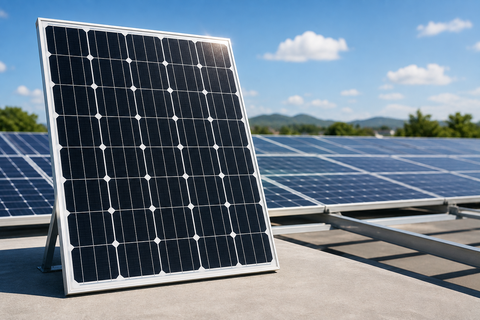
Monocrystalline Solar Modules Overview: Technology, Uses and Future Trends
Updated: September 24, 2026
Read More