Portable Blender Smoothies Overview: Recipes & Benefits
Portable blender smoothies have become increasingly popular among individuals seeking convenient nutrition at home, at work, during travel, or after exercise.
A portable blender allows users to prepare fresh fruit smoothies, protein shakes, vegetable blends, and nutrient-rich beverages without relying on large kitchen appliances.
Modern portable blenders combine rechargeable batteries, compact designs, durable blending systems, and travel-friendly containers. These features make smoothie preparation more accessible for busy lifestyles. Understanding smoothie ingredients, blending techniques, nutritional considerations, and portable blender features can help users create flavorful and balanced drinks for different occasions.
Portable Blender Smoothies at a Glance
Portable blender smoothies are blended beverages prepared using compact, rechargeable blending devices designed for mobility and convenience. Common ingredients include fruits, vegetables, yogurt, milk alternatives, protein sources, seeds, and natural flavor enhancers. These smoothies are frequently used for breakfast, post-workout nutrition, travel-friendly refreshments, and daily wellness routines.
Understanding Portable Blenders
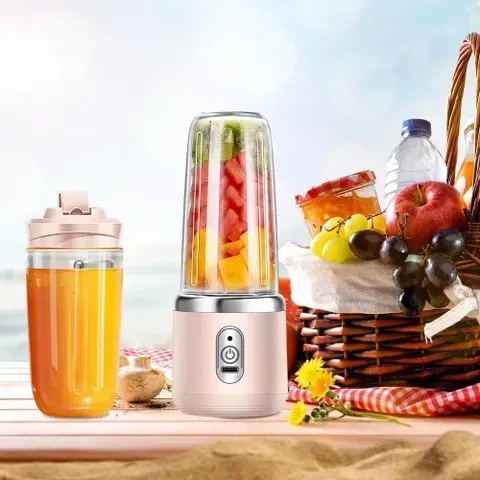
Portable blenders are compact blending devices designed to operate without requiring a permanent countertop setup. Many models feature built-in rechargeable batteries and lightweight containers that double as drinking cups.
Key features often include:
- Compact size
- USB charging capability
- Travel-friendly construction
- Easy cleaning designs
- Lightweight materials
- Personal serving capacity
- Rechargeable operation
These features make portable blenders suitable for preparing single-serving smoothies in various environments.
Essential Ingredients for Smoothies
The quality of a smoothie often depends on ingredient selection and balance.
Fruits
Fruits provide natural sweetness, flavor, and texture.
Popular choices include:
- Bananas
- Strawberries
- Blueberries
- Mangoes
- Pineapple
- Apples
- Peaches
- Mixed berries
Frozen fruits can also create a thicker smoothie consistency.
Vegetables
Vegetables can add nutrients and variety without overwhelming flavor.
Common smoothie vegetables include:
- Spinach
- Kale
- Cucumber
- Carrots
- Beetroot
- Celery
Many users combine vegetables with fruit to create balanced flavor profiles.
Protein Sources
Protein ingredients are commonly added to support balanced nutrition.
Examples include:
- Greek yogurt
- Protein powder
- Cottage cheese
- Soy products
- Nut butters
- Seed blends
Liquid Bases
The liquid base helps create the desired texture.
Options include:
- Water
- Milk
- Almond milk
- Oat milk
- Coconut water
- Soy milk
The amount of liquid influences smoothie thickness and consistency.
Popular Portable Blender Smoothie Types
Different smoothie styles can support different preferences and routines.
Fruit Smoothies
Fruit smoothies focus on natural sweetness and refreshing flavors.
Typical combinations include:
- Banana and strawberry
- Mango and pineapple
- Mixed berry blends
- Peach and banana
Green Smoothies
Green smoothies incorporate leafy vegetables alongside fruits.
Common ingredients include:
- Spinach
- Kale
- Green apple
- Banana
- Cucumber
These combinations help balance flavor while introducing additional nutrients.
Protein Smoothies
Protein smoothies are often consumed after exercise or as part of a balanced meal.
Popular additions include:
- Protein powder
- Greek yogurt
- Nut butter
- Oats
- Milk alternatives
Tropical Smoothies
Tropical blends focus on bright fruit flavors.
Examples include:
- Mango
- Pineapple
- Coconut water
- Papaya
- Passion fruit
Breakfast Smoothies
Breakfast smoothies often combine carbohydrates, protein, and fiber.
Common ingredients include:
- Oats
- Banana
- Yogurt
- Berries
- Seeds
How to Make a Smoothie with a Portable Blender
Creating a smoothie is typically straightforward when ingredients are prepared properly.
Step 1: Add Liquids First
Pour the liquid base into the blender before adding other ingredients.
Step 2: Add Soft Ingredients
Place yogurt, fresh fruits, or soft vegetables into the container.
Step 3: Add Frozen Ingredients
Add frozen fruits or ice in moderate quantities according to the blender's capability.
Step 4: Secure the Lid
Ensure all components are properly assembled before operation.
Step 5: Blend
Activate the blender and allow ingredients to mix until smooth.
Step 6: Check Consistency
Add additional liquid if a thinner texture is preferred.
Step 7: Enjoy or Store
Consume immediately or store according to food safety recommendations.
Smoothie Preparation Tips
A few practical techniques can improve blending results.
- Cut ingredients into smaller pieces.
- Add liquid before solid ingredients.
- Avoid overfilling the container.
- Use ripe fruits for natural sweetness.
- Balance fruits and vegetables.
- Clean the blender after use.
- Follow manufacturer operating guidelines.
- Charge the blender regularly.
- Use fresh ingredients whenever possible.
- Experiment with different flavor combinations.
These habits can help produce smoother and more consistent beverages.
Portable Blender Features to Consider
Not all portable blenders are designed identically.
Battery Performance
Battery capacity influences blending duration and the number of uses between charges.
Blade Design
Blade configuration affects ingredient processing efficiency.
Container Capacity
Larger containers may accommodate meal-sized smoothies, while smaller designs emphasize portability.
Cleaning Convenience
Simple cleaning procedures can encourage more frequent use.
Portability
Weight and size are important considerations for travel and commuting.
Material Quality
Durable materials can contribute to long-term reliability and everyday convenience.
Common Smoothie Challenges
Users may occasionally encounter preparation issues.
Thick Texture
Excess frozen ingredients or insufficient liquid may create an overly thick smoothie.
Uneven Blending
Large ingredient pieces may require smaller cuts before blending.
Excess Sweetness
Balancing fruit with vegetables or unsweetened ingredients may improve flavor.
Separation
Natural ingredient separation can occur after storage. Gentle shaking may help remix the contents.
Nutrition and Daily Use
Portable blender smoothies can fit into many different routines.
Potential uses include:
- Breakfast beverages
- Afternoon refreshments
- Post-workout drinks
- Travel-friendly nutrition
- Fruit and vegetable consumption
- Meal accompaniment
- Hydration support
The nutritional profile varies according to ingredient selection and portion size.
Benefits of Portable Blender Smoothies
Portable blender smoothies offer several practical advantages.
- Convenient preparation almost anywhere
- Supports fresh ingredient use
- Encourages fruit and vegetable consumption
- Suitable for busy schedules
- Travel-friendly design
- Easy portion control
- Quick preparation process
- Flexible ingredient combinations
- Supports personalized nutrition goals
- Simple cleanup in many situations
- Portable hydration option
- Versatile recipe possibilities
Frequently Asked Questions
What are portable blender smoothies?
Portable blender smoothies are blended beverages prepared using compact rechargeable blenders designed for convenient personal use.
What ingredients work best in portable blenders?
Soft fruits, vegetables, yogurt, protein ingredients, milk alternatives, and moderate amounts of frozen fruit are commonly used.
Can portable blenders make protein smoothies?
Yes. Many portable blenders can prepare protein smoothies using ingredients such as protein powder, yogurt, milk alternatives, and fruits.
Are portable blenders suitable for travel?
Many portable blenders are designed specifically for portability, making them useful for commuting, travel, and outdoor activities.
How often should a portable blender be cleaned?
Cleaning after each use helps maintain performance and supports food hygiene.
Can vegetables be added to smoothies?
Yes. Spinach, kale, cucumber, celery, and other vegetables are frequently used in smoothie recipes.
Why should liquid be added first?
Adding liquid first can improve blending efficiency and help ingredients circulate more effectively.
What makes a smoothie thicker?
Frozen fruits, yogurt, oats, seeds, and reduced liquid quantities can create a thicker consistency.
Key Takeaways
- Portable blenders provide a convenient way to prepare fresh smoothies.
- Fruits, vegetables, protein sources, and liquid bases create balanced blends.
- Different smoothie styles support different preferences and routines.
- Proper ingredient preparation improves blending performance.
- Portable blenders are useful for travel, work, fitness, and daily nutrition.
- Routine cleaning helps maintain equipment performance.
- Smoothie recipes can be customized for flavor and texture preferences.
Conclusion
Portable blender smoothies offer a practical way to prepare fresh beverages using fruits, vegetables, protein ingredients, and other nutritious additions. Compact blending technology makes it possible to create smoothies at home, at work, while traveling, or after exercise without relying on large kitchen equipment. By understanding ingredient selection, blending techniques, smoothie types, and portable blender features, users can develop enjoyable recipes that fit their personal preferences and daily routines. Consistent preparation habits and balanced ingredient choices can help create flavorful smoothies suitable for a wide range of lifestyles.

Related Post...