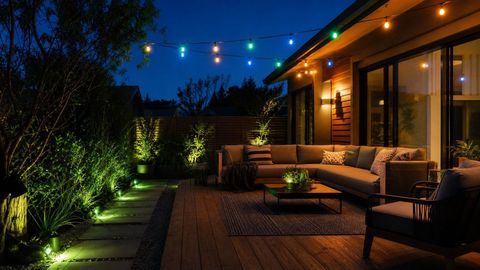
Smart LED Bulb Systems Insights: Connected Lighting
Smart LED bulb systems are transforming how homes, offices, and commercial spaces manage lighting.
Unlike traditional bulbs, smart LED lighting combines energy-efficient LED technology with wireless connectivity, automation features, and intelligent controls. These systems allow users to adjust brightness, create schedules, customize lighting scenes, and manage illumination remotely through mobile applications or voice assistants.
As smart home technology continues to evolve, smart LED bulb systems are becoming an important part of connected living environments. Their ability to combine convenience, energy management, and flexible lighting control makes them a popular choice for modern lighting applications.
Smart LED Bulb Systems at a Glance
Smart LED bulb systems are network-connected lighting solutions that allow users to control illumination through mobile devices, automation platforms, or voice commands. Many systems support brightness adjustment, color customization, scheduling, energy monitoring, and integration with broader smart home ecosystems. Common connectivity options include Wi-Fi, Bluetooth, Zigbee, and Matter-compatible technologies.
Key Industry Facts
- LED technology consumes significantly less energy than many conventional lighting solutions.
- Smart lighting systems can be managed remotely through connected applications.
- Many smart bulbs support automation routines and scheduling.
- Voice assistant compatibility is becoming a common feature.
- Color-changing smart bulbs can create multiple lighting environments.
- Wireless connectivity eliminates the need for extensive control wiring.
- Modern systems often integrate with larger smart home platforms.
How Smart LED Bulb Systems Work
Smart LED bulbs combine LED lighting components with communication technology and intelligent control features.
Basic Operating Process
- The smart LED bulb is installed in a compatible fixture.
- The bulb connects to a wireless network or smart hub.
- A mobile application or automation platform communicates with the bulb.
- Users send commands for brightness, color, or scheduling.
- The bulb responds to automation routines or direct instructions.
- Connected systems can synchronize multiple bulbs simultaneously.
This process enables flexible lighting management from virtually anywhere within the supported network environment.
Main Types of Smart LED Bulb Systems
Wi-Fi Smart Bulbs
Wi-Fi smart bulbs connect directly to wireless networks without requiring a separate hub.
Common uses include:
- Living rooms
- Bedrooms
- Home offices
- Entertainment spaces
Bluetooth Smart Bulbs
Bluetooth-enabled bulbs communicate directly with nearby devices.
Advantages include:
- Simple setup
- Direct device communication
- Reduced network dependence
Zigbee Smart Lighting
Zigbee smart bulbs operate within mesh networks and are commonly used in larger home automation systems.
Benefits include:
- Reliable connectivity
- Expanded coverage through mesh networking
- Efficient communication between devices
Matter-Compatible Smart Bulbs
Matter-compatible lighting systems support improved interoperability among supported smart home ecosystems.
This technology helps simplify device integration across different platforms.
Comparison of Smart Lighting Technologies
| Technology | Connectivity | Typical Use | Hub Requirement |
|---|---|---|---|
| Wi-Fi | Direct Network Access | General Smart Homes | Usually No |
| Bluetooth | Device-to-Device | Smaller Installations | No |
| Zigbee | Mesh Network | Advanced Automation | Yes |
| Matter | Multi-Platform Support | Connected Ecosystems | Varies |
Core Components of Smart LED Bulb Systems
LED Light Source
The LED component generates illumination while supporting energy-efficient operation.
Wireless Communication Module
This module enables communication through Wi-Fi, Bluetooth, Zigbee, or Matter-supported networks.
Smart Controller
The controller manages lighting functions, automation routines, and communication processes.
Power Management Circuit
Power management systems regulate electrical performance and support stable operation.
Mobile Application Integration
Applications provide access to:
- Brightness control
- Color adjustment
- Scheduling
- Device grouping
- Automation settings
Industry Applications
Residential Lighting
Homeowners use smart LED bulbs to automate lighting schedules, create scenes, and manage illumination remotely.
Commercial Buildings
Businesses can use smart lighting systems to support energy management and operational efficiency.
Hospitality Environments
Hotels and hospitality facilities often use intelligent lighting to customize guest experiences.
Educational Facilities
Smart lighting can support flexible illumination settings for classrooms and learning spaces.
Healthcare Environments
Adjustable lighting solutions can help create comfortable and adaptable indoor environments.
Retail Locations
Retail spaces use smart lighting to highlight products and create engaging visual experiences.
Selection Factors
Connectivity Compatibility
The lighting system should align with existing smart home platforms and network infrastructure.
Brightness Requirements
Different spaces require varying illumination levels depending on their purpose.
Color Temperature Options
Some users prefer adjustable white lighting, while others require full-color capabilities.
Automation Features
Scheduling, scene creation, and smart routines can influence functionality.
Voice Assistant Integration
Compatibility with supported voice control platforms may improve convenience.
Energy Efficiency
Energy-efficient LED technology can contribute to reduced electricity consumption.
Benefits of Smart LED Bulb Systems
- Supports remote lighting control
- Enables automated lighting schedules
- Provides customizable brightness levels
- Offers color-changing capabilities
- Integrates with smart home ecosystems
- Supports voice assistant functionality
- Enhances energy management strategies
- Simplifies multi-room lighting control
- Creates personalized lighting environments
- Supports connected living experiences
Challenges and Limitations
Network Dependence
Many advanced features rely on stable wireless connectivity.
Platform Compatibility
Some products may have specific ecosystem requirements.
Initial Configuration
Users may need to complete setup and network pairing procedures.
Firmware Updates
Connected devices occasionally require updates to maintain functionality.
Wireless Interference
Network congestion or interference may affect device communication in certain environments.
Industry Standards and Connectivity
Smart lighting manufacturers increasingly support industry standards that promote compatibility and interoperability.
Common standards include:
- Wi-Fi connectivity protocols
- Bluetooth communication standards
- Zigbee smart home networking
- Matter interoperability frameworks
- Wireless security technologies
These standards help support device communication across connected environments.
Safety Considerations
Important safety practices include:
- Using compatible fixtures
- Following installation guidelines
- Avoiding excessive electrical loads
- Keeping devices within specified operating conditions
- Updating firmware when available
- Maintaining secure network configurations
Proper installation and operation contribute to reliable performance.
Latest Technology Trends
Matter-Based Integration
Matter technology is improving interoperability across smart home ecosystems.
AI-Powered Automation
Automation platforms are increasingly using intelligent routines based on user preferences and behavior.
Advanced Energy Analytics
Some smart lighting systems provide detailed energy consumption insights.
Circadian Lighting
Lighting systems can automatically adjust color temperature throughout the day.
Smart Building Integration
Connected lighting is becoming part of broader smart building management systems.
Expert Insights
Smart LED bulb systems have evolved from simple remote-controlled lighting products into sophisticated connected devices that support automation, personalization, and energy management. As interoperability standards continue to improve, smart lighting is becoming an increasingly important component of modern connected environments.
Key Takeaways
- Smart LED bulbs combine efficient lighting with wireless connectivity.
- Wi-Fi, Bluetooth, Zigbee, and Matter are common connectivity options.
- Automation features support scheduling and remote management.
- Voice assistant compatibility enhances convenience.
- Color customization allows flexible lighting environments.
- Energy-efficient LED technology supports reduced power consumption.
- Smart lighting is increasingly integrated into connected home ecosystems.
Frequently Asked Questions
What are smart LED bulb systems?
Smart LED bulb systems are connected lighting solutions that allow remote control, scheduling, automation, and customization through digital platforms.
How do smart LED bulbs work?
They use wireless communication technology to receive commands from mobile applications, smart hubs, or voice assistants.
Can smart LED bulbs change color?
Many models support adjustable colors and brightness levels for customized lighting environments.
Do smart bulbs require a hub?
Some technologies require a hub, while many Wi-Fi-based systems connect directly to home networks.
What is Matter compatibility?
Matter is a connectivity standard designed to improve compatibility among supported smart home devices and platforms.
Can smart bulbs reduce energy consumption?
LED technology is generally recognized for its energy-efficient operation compared to many traditional lighting options.
Are smart LED bulbs suitable for commercial environments?
Yes. Smart lighting systems are used in residential, commercial, hospitality, educational, and retail settings.
Can smart bulbs work with voice assistants?
Many systems support integration with compatible voice control platforms.
What is circadian lighting?
Circadian lighting automatically adjusts brightness and color temperature throughout the day to align with natural lighting patterns.
Why are smart LED bulb systems becoming popular?
Their combination of convenience, automation, customization, and energy efficiency supports modern connected living environments.
Conclusion
Smart LED bulb systems represent a significant advancement in modern lighting technology by combining energy-efficient illumination with intelligent connectivity and automation. Their ability to support remote control, customizable lighting scenes, voice assistant integration, and smart home compatibility makes them valuable for both residential and commercial applications.
As technologies such as Matter, AI-powered automation, circadian lighting, and advanced energy analytics continue to develop, smart LED lighting systems are expected to become even more capable and interconnected. Understanding their features, applications, benefits, and considerations helps users evaluate how smart lighting can contribute to modern connected environments.

Related Post...